No coffee chain has staked a credible brand claim on fulfillment reliability, and the data shows exactly why that lane is still open. Lost mobile orders account for roughly 22% of one-to-three-star QSR app reviews across the entire category, meaning this isn't a single brand's software defect: it's a shared architectural failure nobody has fixed. Starbucks carries the most exposure because its Rewards members drive 60% of U.S. revenue through a single digital rail. Dutch Bros keeps a human in the handoff loop via tablet ordering and car-side delivery, which insulates it from the silent-drop failure mode. Dunkin is tightening its points expiry window while Starbucks holds non-expiring Stars. The loyalty mechanics fight has converged toward parity. The fulfillment fight hasn't started yet.
Silent Order Loss Is a Category Architecture Problem, Not a Brand Bug
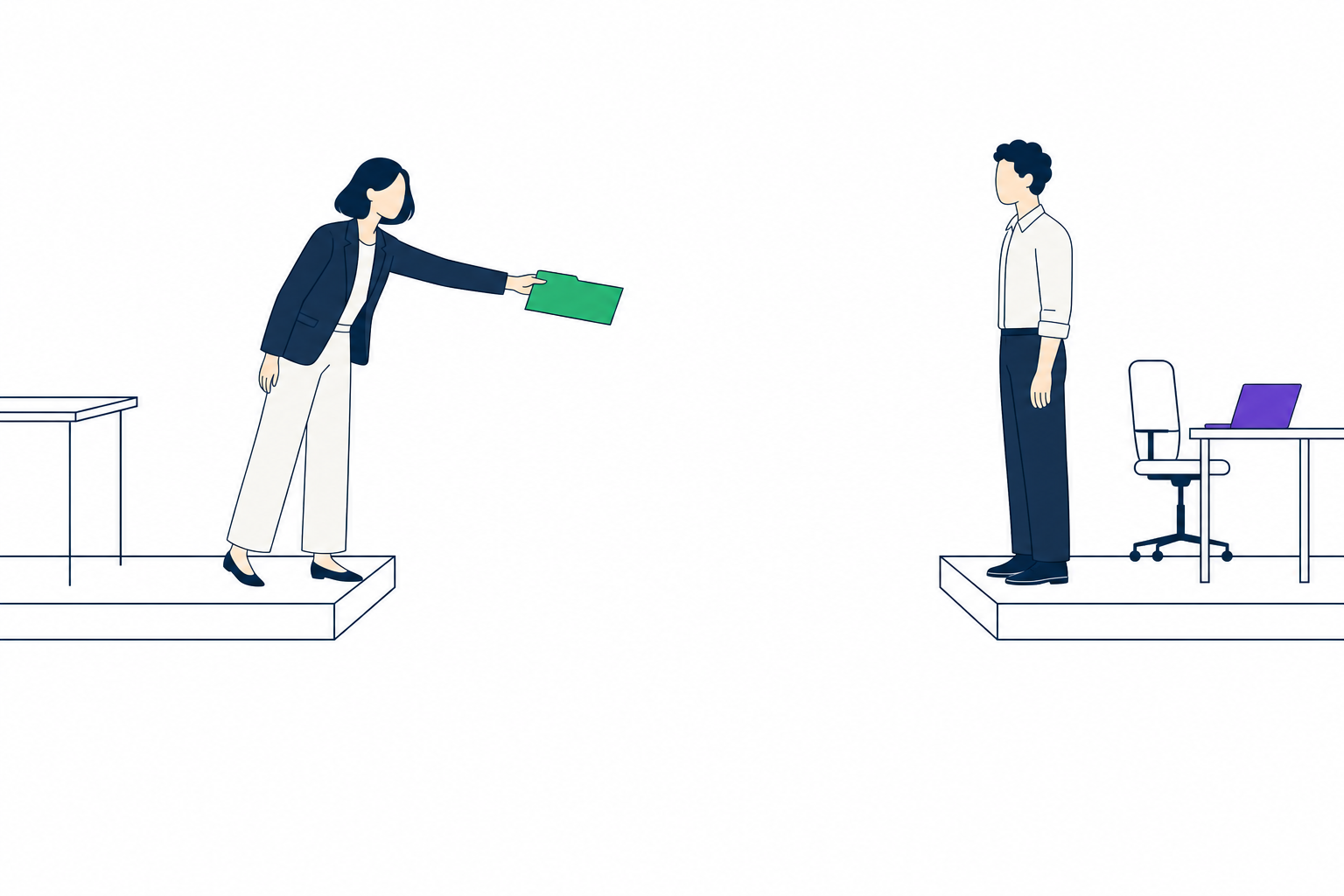
Every mobile coffee order travels through the same fragile chain: app server, point-of-sale, in-store router, kitchen display. Any single link failing silently drops the order, and the customer finds out when they arrive to an empty kiosk screen. One Starbucks customer described being charged after a connection dropped at 7am and left with nothing. That account echoes a pattern showing up across chains, because the underlying architecture is the same across chains. The 22% figure in low-star QSR reviews isn't brand-specific damage, it's the whole category operating below the reliability floor its own customers now expect.
Starbucks logged over 1,700 Downdetector failure instances tied to failed logins, stalled mobile orders, and inaccessible rewards during peak outage windows, with the app rating sliding nearly a full star as a result. Mobile orders now represent roughly 30% of U.S. Starbucks transactions. A single busy store can receive 40 mobile orders in 15 minutes against three barista stations. The infrastructure wasn't built for that load, and the reviews know it.
Dutch Bros Isn't Winning on Points. It's Winning on Handoffs.
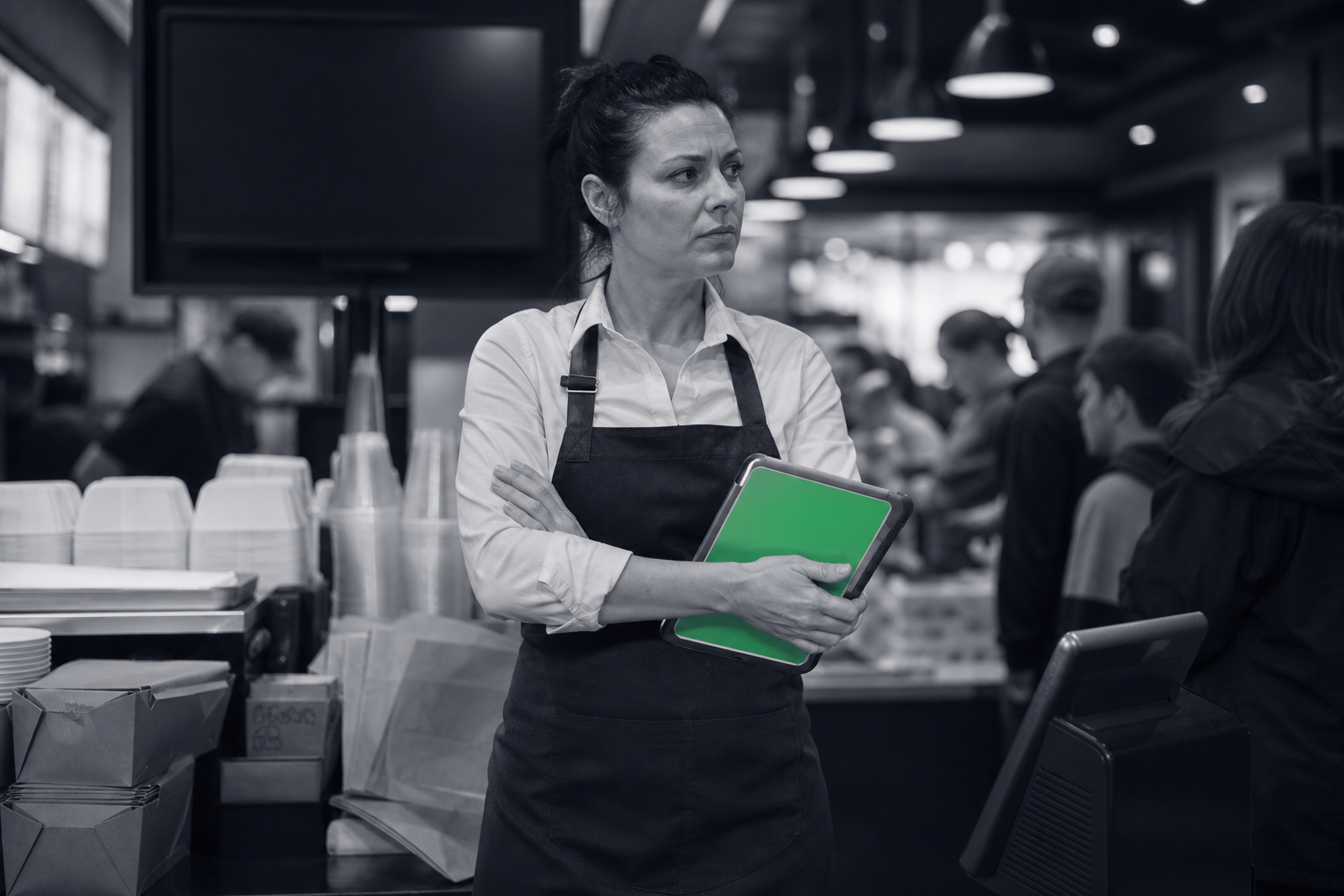
Dutch Bros' loyalty penetration sits at roughly 72% of system transactions, and its iOS app rating leads the category. It got there with a model most app-first chains dismiss as low-tech: employees take orders on tablets and deliver the drink directly to the car. That human checkpoint between order and cup sidesteps the app-to-kitchen integration failure entirely. Its Order Ahead feature reached only about 14% of transactions in the fourth quarter of 2025, which means digital ordering is additive to the human model, not a replacement for it. The result is a brand that scores high on reliability without having solved the underlying app architecture problem, because it hasn't had to.
The loyalty mechanics fight has converged toward parity. The fulfillment fight hasn't started yet, and whoever claims it first reframes what the whole category competes on.
Loyalty Math Is a Draw. Nobody Knows It Yet.
Dunkin moved its once-never-expiring points to a 12-month lapse window and raised its free-drink redemption threshold. Dutch Bros shifted to a per-dollar earn rate in 2023 that prompted at least one customer to call it a disincentive to return. Starbucks Stars still don't expire. On pure rewards mechanics, Starbucks already holds the comparative advantage, it just hasn't promoted it aggressively enough to matter. The category has quietly converged on similar program structures, which removes points generosity as a differentiating claim and makes it table stakes. What remains unclaimed is the reliability story.
What This Means for the Category: Reliability Is the Only Uncontested Lane
The operator who moves first to credibly brand fulfillment reliability as a promise, not a feature, reframes what the whole category competes on. That means publishing reliability metrics, building visible recovery paths when an order fails, and treating the app-to-kitchen integration chain as a customer-facing product, not a backend concern. Starbucks has the most to gain because it has the most exposure: a loyalty base carrying 60% of U.S. revenue through one digital rail is the highest-stakes case for getting this right. Dutch Bros has the structural model to emulate but not the scale to set the category standard. No chain has planted the flag. The behavior data from over 1,700 failure instances, extended peak-hour waits, and 22% of low-star reviews naming the same broken pattern all say the same thing: coffee customers aren't leaving over points math. They're leaving because the order didn't show up.